

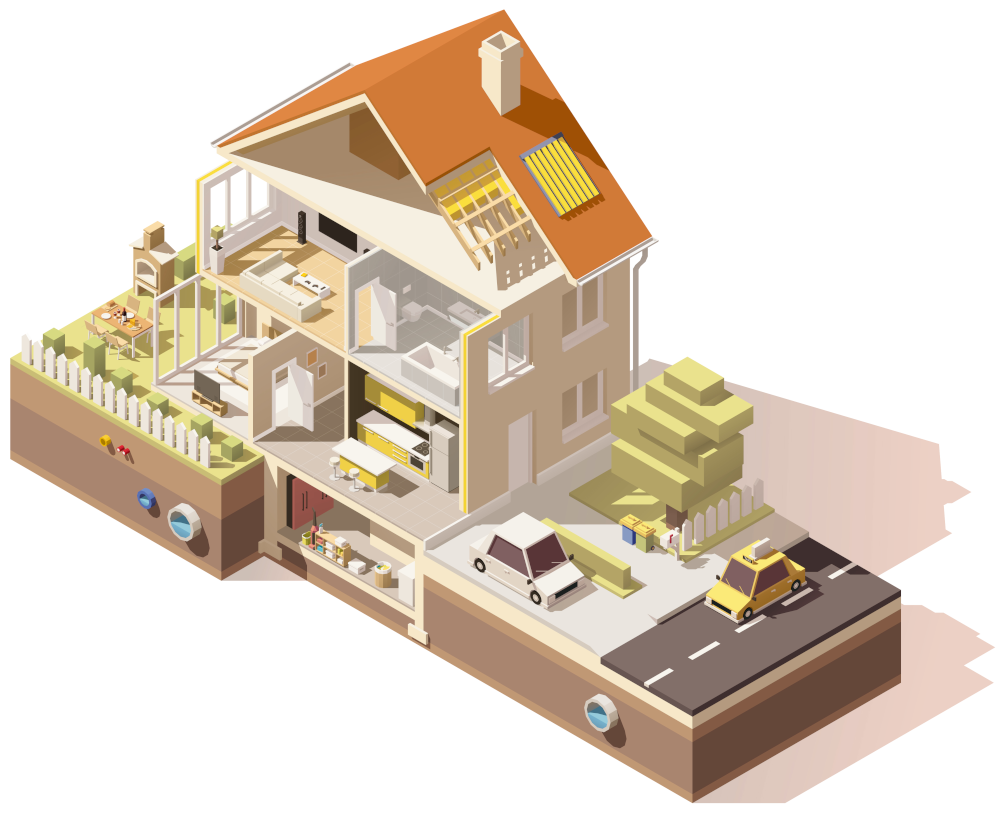

Your inspection starts well before we ever step onto the property. We review the home’s basic details ahead of time so we can make the most of our time on site, whether you’ve booked a full home inspection, a 4-point inspection, or a wind mitigation inspection. Once we arrive, we work through the property methodically, checking the systems and components that matter most to whoever is relying on the results, buyer, seller, or insurance carrier.
We keep you in the loop throughout your inspection. After the walkthrough, we’ll talk through anything significant we found in plain language, no jargon, no guessing games. You’ll then receive a full digital report with photos and clear write-ups of everything we covered, so you and your real estate agent have exactly what you need to move forward.
Most home inspections run between two and three hours, depending on the size and age of the property. 4-point and wind mitigation inspections are typically quicker since they focus on specific systems and features rather than the entire home.
You’re welcome to join us, and many buyers find it helpful to walk through with the inspector. If you can’t make it, that’s fine too. We’ll make sure the report gives you everything you would have seen in person.
A 4-point inspection looks specifically at the roof, electrical, plumbing, and HVAC systems and is usually requested by an insurance company, often for older homes. A full home inspection covers the entire property, including structure, systems, and safety items, and is typically used during a home purchase or sale.
We look at construction features that affect how well a home stands up to windstorms, things like the roof covering, roof-to-wall connections, and window or door protection. Insurance companies use this information to determine windstorm premium discounts.
No, a home inspection isn’t a pass or fail test. It’s a detailed look at the current condition of the property. Any concerns we note on the report are there to inform your decision, not to grade the house.
Make sure all areas we’ll need to access, like the attic, electrical panel, and water heater closet, are clear and reachable. If you won’t be home, just let us know how we’ll get access and make sure pets are secured.
Buyers can use the inspection report to negotiate a better price or ask for repairs, while sellers can choose to address issues before listing to justify their asking price.
A home inspection evaluates critical safety concerns such as electrical hazards, carbon monoxide risks, mold, and structural integrity.
We can point out components near the end of their lifespan (such as HVAC systems or water heaters) so you can budget accordingly.
Sellers who conduct pre-listing inspections can show transparency and build buyer trust, potentially leading to quicker offers and smoother negotiations.
Knowing the condition of the home helps you feel confident in your purchase or sale and reduces surprises after the transaction.

Roof coverings, gutters, downspouts, vents, flashing, skylights, chimney, roof penetrations and the general structure of the roof.
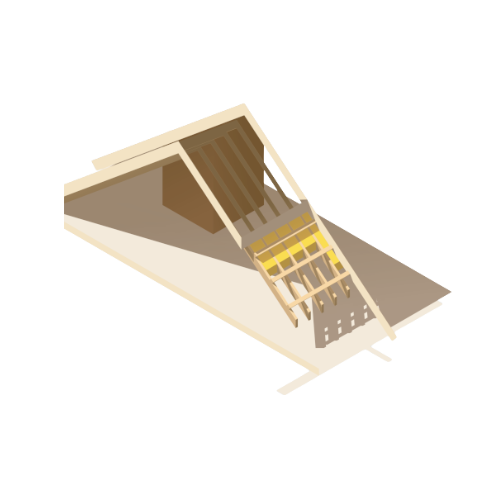
Insulation and ventilation of unfinished spaces, including attics, crawl spaces, foundation areas and exhaust systems.
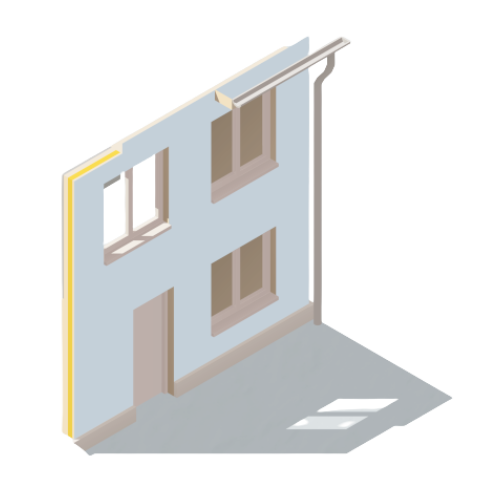
Siding, windows, exterior doors, flashing & trim, walkways, driveways, stairs, patios & decks, and drainage.
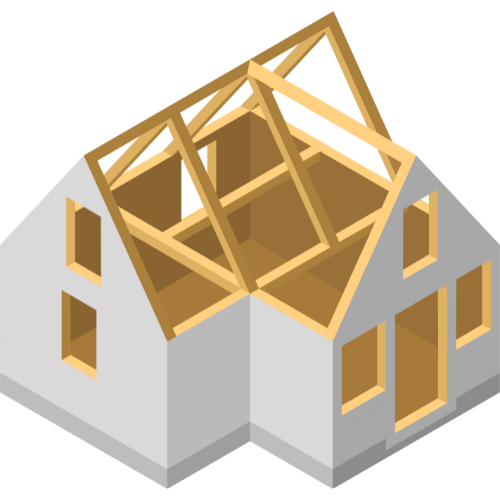
Foundation movement, cracks, structural concerns, and indication of water penetration.

Cooling system, location of thermostat, energy source and cooling method.
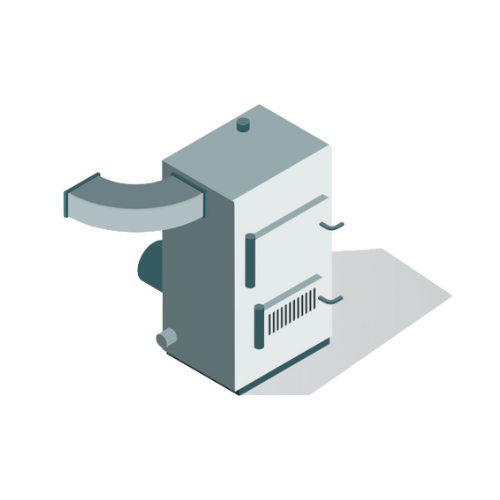
Heating system, location of thermostat, energy source and heating method.
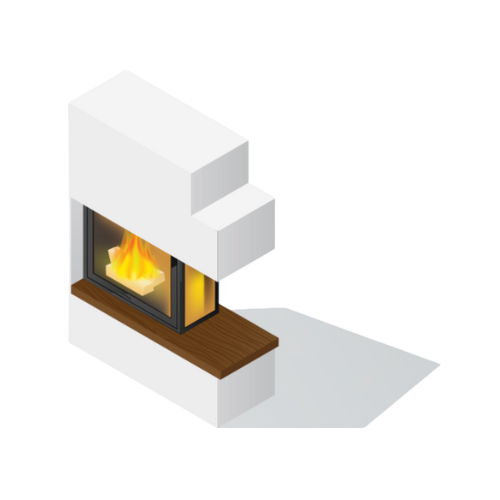
Visible portions of the fireplace & chimneys, lintels, damper doors, and cleanout doors & frames.
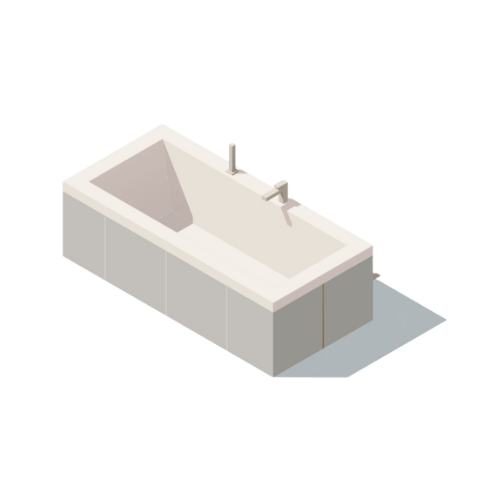
Main water & fuel supply shut-off valves, water heater, interior water supply, toilets, sinks, tubs, showers, drain, waste and vent systems.
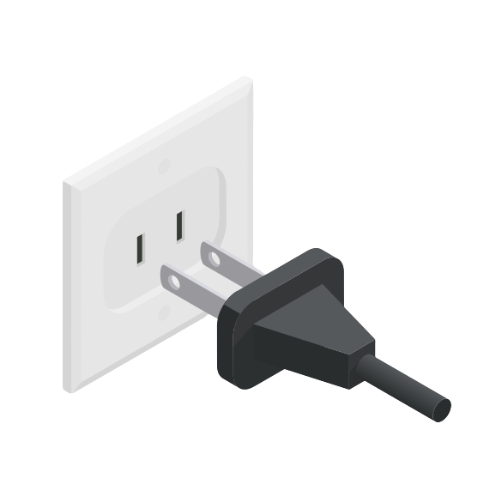
Service drop, overhead service conductors, service head & mast, main service disconnect, panelboards, grounding, switches, light fixtures, receptacles deemed to be AFCI & GFCI, and the presence of smoke alarms & carbon monoxide detectors.
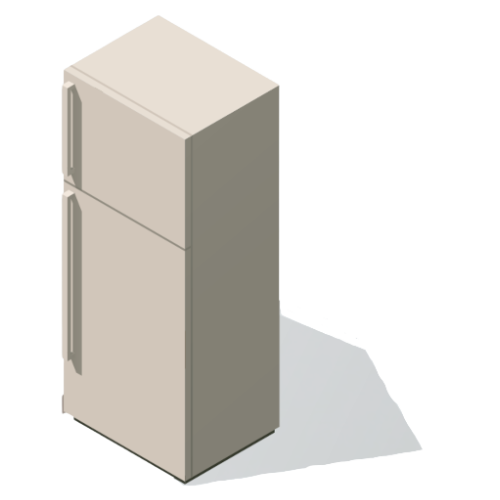
Dishwasher, disposal, range, oven, microwave, refrigerator, exhaust, bathroom heater, garage door, doorbell, and dryer vent

Representative number of doors & windows, floors, walls, ceilings, stairs, railings, garage door and openers.
